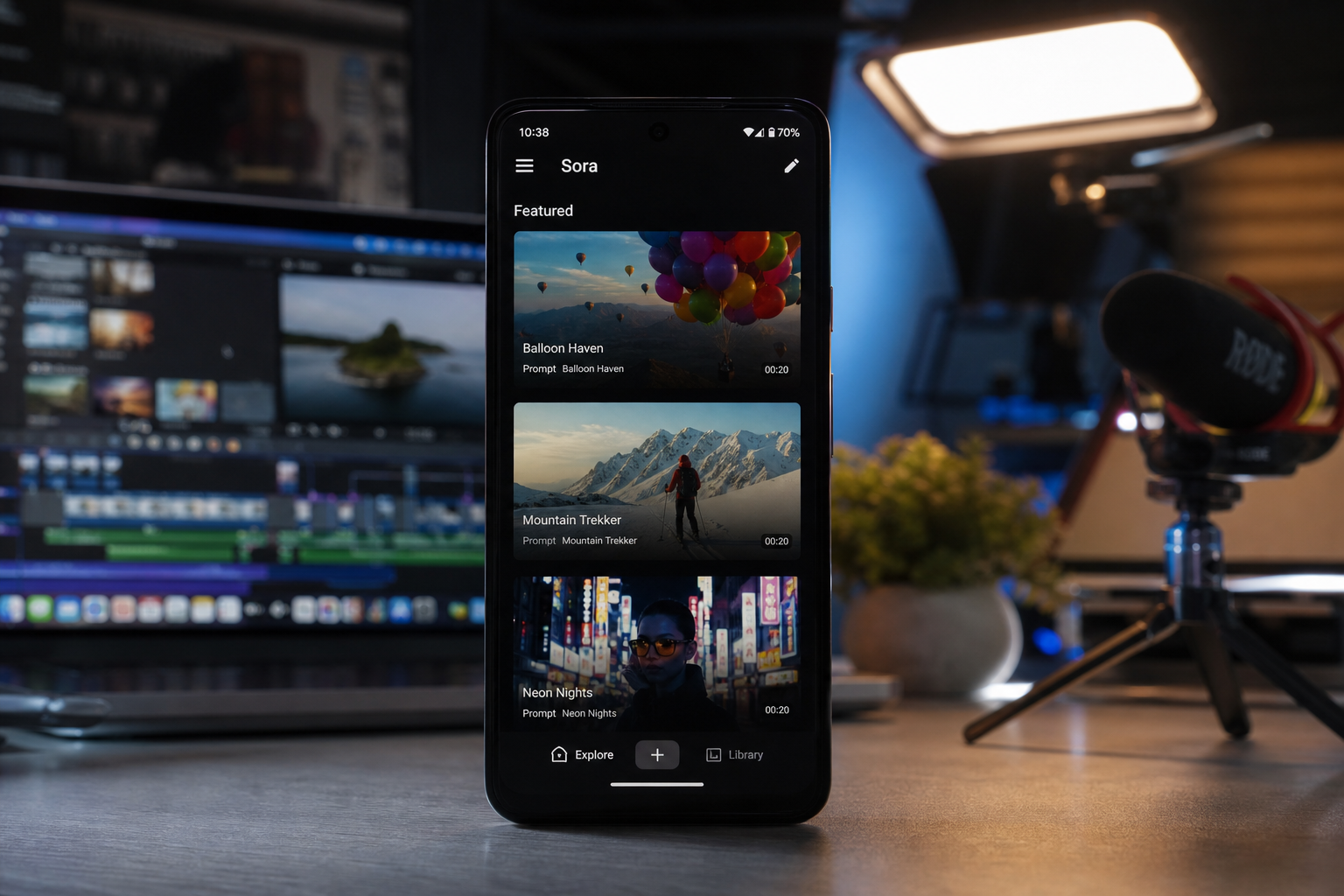
OpenAI’s Sora is no longer just an iPhone showcase. The company has brought its AI video app to Android, giving a much larger pool of users a direct way to create short synthetic videos from text prompts, images, and social remix ideas. That matters because Sora isn’t a research demo anymore — it’s becoming a consumer app competing for attention alongside TikTok, Instagram Reels, YouTube Shorts, and the new wave of AI-native video tools.
The app race has moved from chatbot answers to AI-made media people can publish in seconds.
OpenAI’s Android rollout expands Sora beyond its iOS launch and puts the app in front of users across several markets, including the United States, Canada, Japan, South Korea, Taiwan, Thailand, and Vietnam. The app runs on Sora 2, OpenAI’s newer video-and-audio generation model, and centers on fast creation rather than long-form editing. Users can prompt a scene, remix other posts, and create clips designed for a feed instead of a traditional editing timeline.
The most talked-about feature remains Cameos, which lets people place their own likeness and voice into generated scenes after recording a short verification clip. OpenAI built permission controls around that feature, so users can decide who may use their likeness and can revoke access later. The catch? Any app that makes realistic clips this easy also raises hard questions about consent, impersonation, moderation, and the speed at which fake-but-believable media can move through social platforms.
For everyday users, Sora’s Android arrival changes the size of the market overnight. Android dominates global smartphone share, and even a limited-country launch gives creators, meme accounts, marketers, educators, and small businesses another AI app they can try without buying desktop software or learning a complex production suite. And for companies testing AI media, the phone-first approach matters: a restaurant can mock up a promo clip, a musician can test visual ideas, and a creator can make a character sketch without hiring a video team for every experiment.
Technically, Sora 2 pushes OpenAI deeper into multimodal generation by pairing moving images with generated audio rather than treating sound as an afterthought. The app focuses on short clips, feed-native sharing, identity features, and remix mechanics, which makes it closer to a social product than a standard AI editor. Users don’t just generate isolated videos; they respond to trends, borrow formats, and build off other clips. Still, OpenAI must control model behavior at the product layer, because video generation brings risks that text chat never carried at the same emotional intensity: faces, voices, gestures, brands, public figures, and private people can all appear to say or do things they never did.
Creators have greeted Sora with the mix of fascination and anxiety that now follows every major AI media app. Supporters see a fast idea machine that lowers the cost of visual storytelling and gives non-editors a real creative tool. Critics worry that OpenAI has turned synthetic media into a social habit before society has clear norms for labeling, likeness rights, and platform accountability. Here’s the thing: both reactions can be true at once, because Sora gives users real creative power while also forcing platforms to police a new category of persuasive visual content.
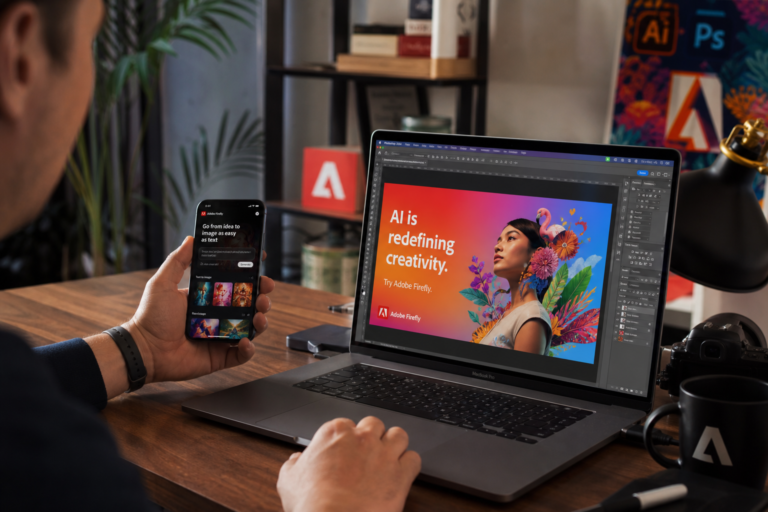
Sora’s Android push also lands in a crowded fight. Google has been advancing Veo for high-quality generative video, Runway has built a strong creator base around AI filmmaking tools, Pika has focused on approachable effects and social clips, Adobe has pushed Firefly toward commercially safe creative workflows, and Meta has tested AI video inside its own social ecosystem. OpenAI’s advantage comes from distribution and brand recognition; millions already know ChatGPT, and Sora can ride that trust into a new app category. But rivals can win specific groups if they offer better editing control, clearer commercial rights, stronger enterprise guardrails, or tighter links to existing creative software.
Sora’s Android launch signals that AI video will become a normal app behavior faster than many publishers, platforms, and regulators expected. If short video can be synthesized, personalized, and shared from the same phone screen, how long before viewers expect every app to offer AI creation by default? OpenAI won’t own the whole market, but Sora now has the reach to set user expectations: prompt-based video, identity controls, remix culture, and visible safety labels will define the next round of AI apps people actually use.
About the Author