Apple will soon allow iPhone users to select rival AI models in its upcoming iOS 27 update. This represents a major shift in the mobile operating system’s flexibility, opening the gates for third-party AI integration like never before.
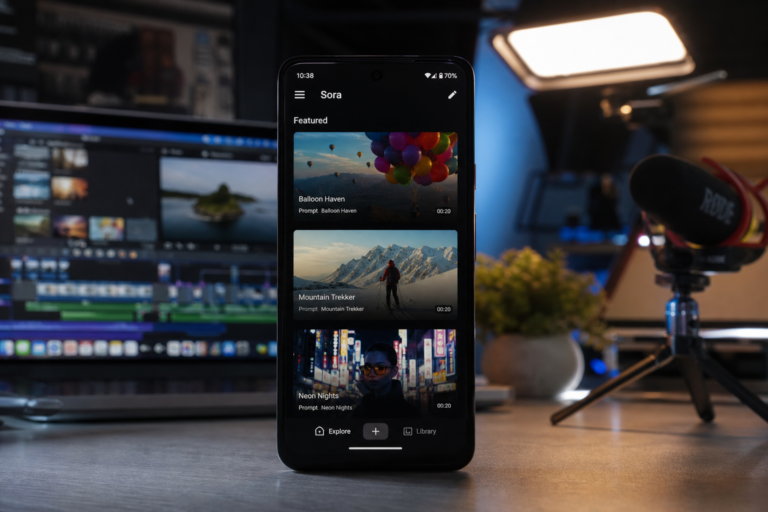
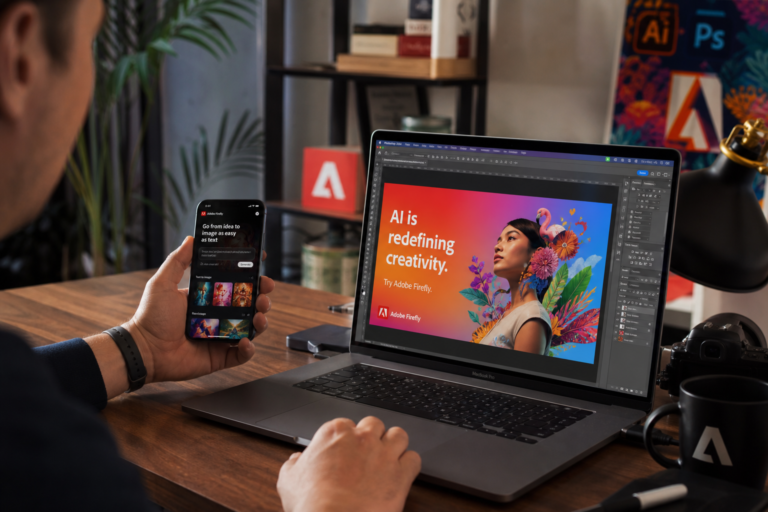
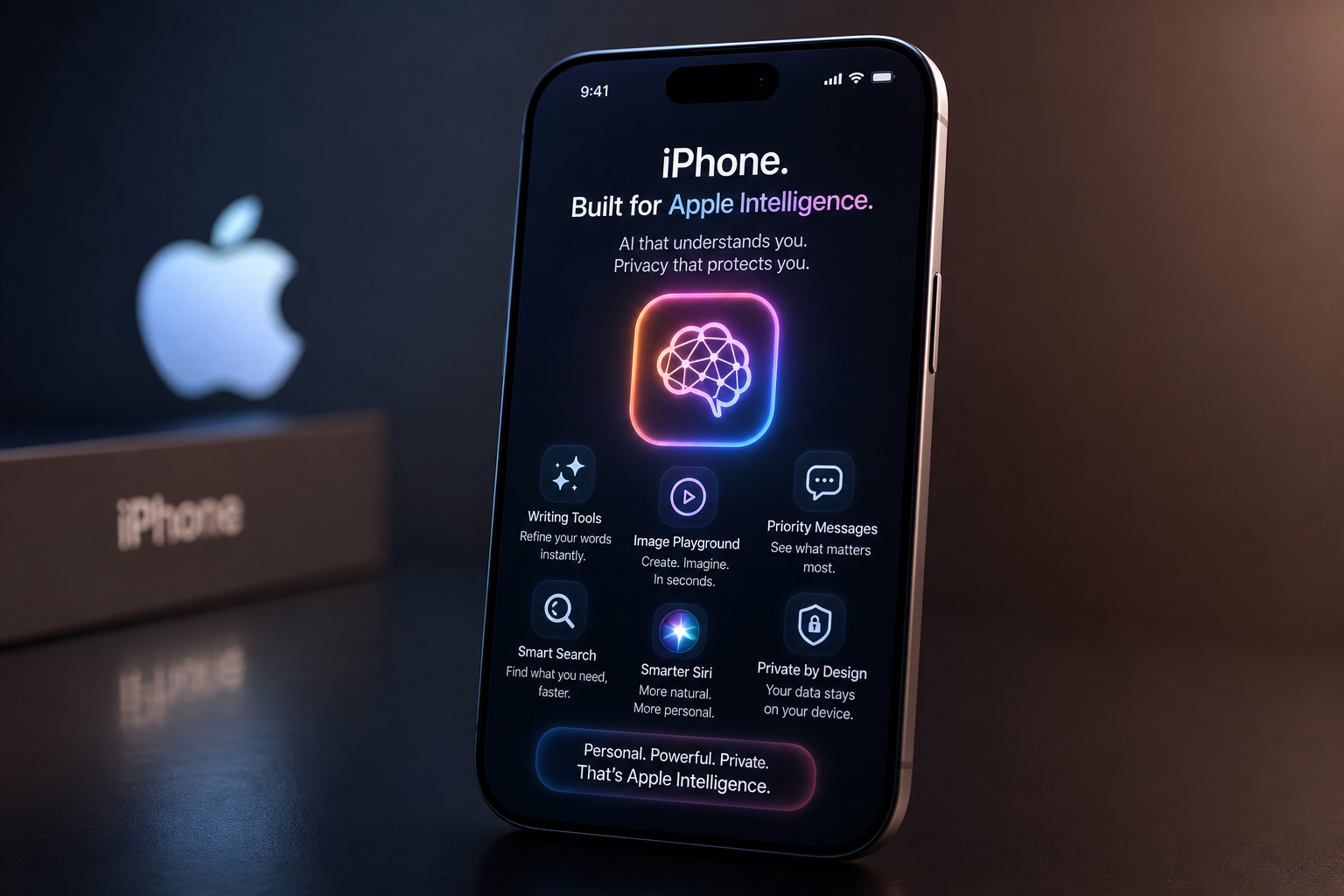
In a move that’s set to change the landscape of mobile AI, Apple confirmed that users of iOS 27 will be able to choose third-party AI models for tasks such as text and image generation. This update marks a significant departure from Apple’s traditionally closed ecosystem, where only the company’s own AI solutions were integrated into the core functionalities of its apps.
This change is especially important right now because it could accelerate innovation on Apple devices, giving users access to the latest advancements in AI technology without being confined to a single provider’s solutions.
Here’s what happened: Apple announced its plans to offer this increased flexibility during its latest developer conference. By allowing third-party AI models to be integrated directly into iOS 27, Apple signals a readiness to embrace competition from other tech giants like Google and emerging players such as xAI. The introduction of this feature is part of a broader effort by Apple to enhance the customization and versatility of its devices, providing developers a more open platform to innovate.
The real-world impact of this decision could be substantial for developers and end-users alike. For developers, it means more opportunities to create and offer apps that leverage advanced AI features, potentially unlocking new revenue streams and user experiences. For consumers, this means a greater choice of functionalities and probably a surge in the quality of AI-powered apps available on the App Store.
Technically, this update involves complex integrations that will allow seamless operations between third-party AI systems and Apple’s existing software. Users could now see a mix of AI tools operating within a single app, offering a richer and potentially more powerful user experience.
Reactions to this change have been positive, with many industry observers applauding Apple’s decision to embrace third-party competition. Some have noted that this could encourage other tech companies to follow suit, fostering a more competitive and innovative ecosystem across the board.
Yet, the competitive context here can’t be ignored. While Apple’s decision is likely to enhance user experience and drive competition, it also raises the stakes for other tech leaders who may now need to rethink their strategies to stay relevant on Apple’s platform. Google, for instance, has long been a proponent of open-source AI technology, and this move might push them to innovate further to maintain their edge.
In closing, Apple’s openness to rival AI models in iOS 27 is a clear signal of its strategic shift towards a more flexible ecosystem. This decision could redefine user engagement with AI on mobile devices and set a new standard for operating systems across the industry. The next wave? Expect innovation to surge as developers and users alike capitalize on this newfound flexibility.
About the Author