A new chapter in satellite technology is unfolding as Pixxel and Sarvam prepare to launch a groundbreaking AI-equipped satellite. This isn’t your average satellite—it’s called Pathfinder, and it promises to redefine in-orbit data processing by the end of 2026.
Here’s why this matters: leveraging AI’s power in orbit could reduce data transfer times and enhance satellite capabilities beyond our current terrestrial limits.
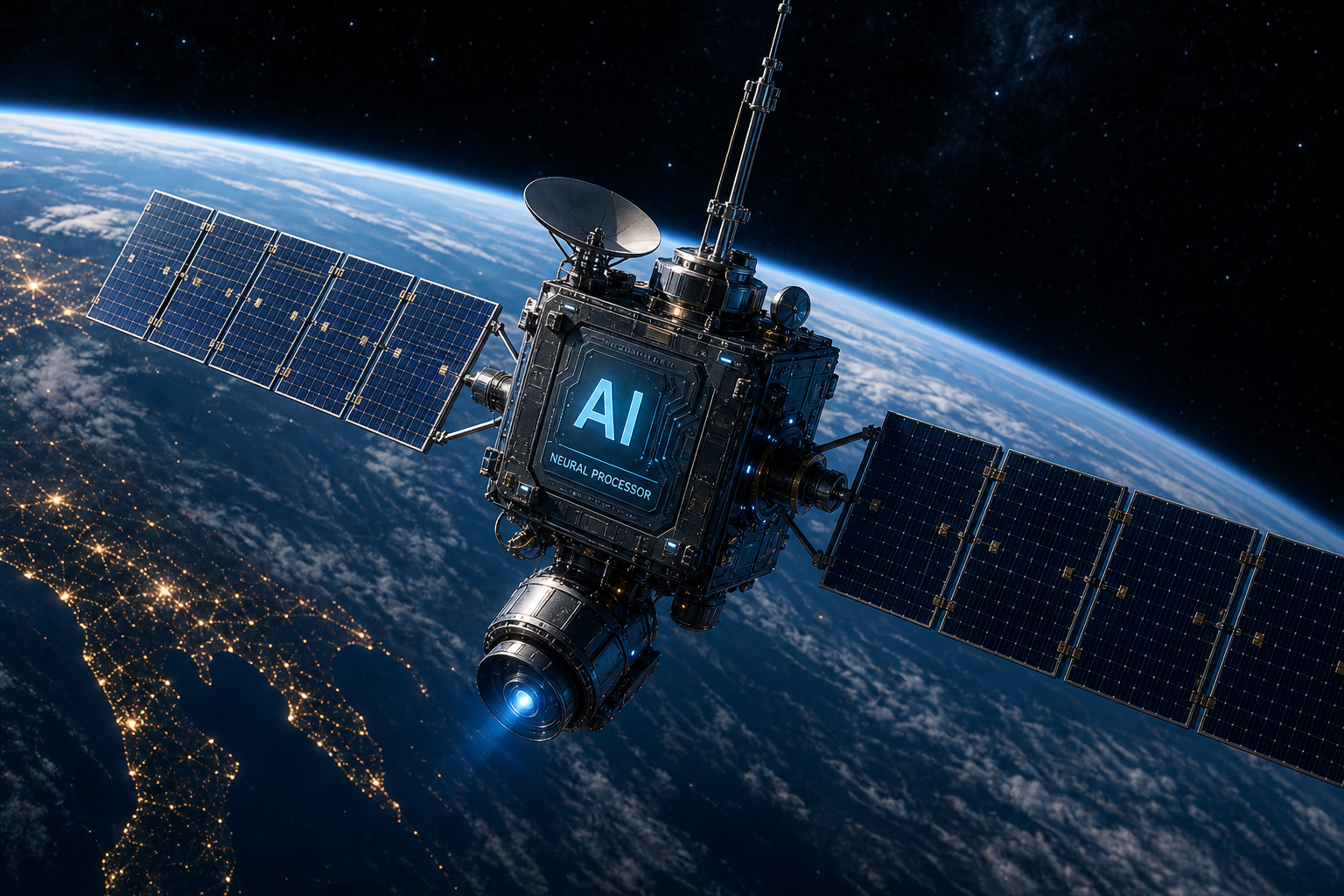
Pathfinder is poised for launch in the fourth quarter of 2026, marking an ambitious leap for the two tech companies. This 200 kg satellite is equipped with data center-grade GPUs and hyperspectral imaging, designed to perform sophisticated AI tasks directly in orbit. The aim? To cut down data transfer latency by processing and analyzing information on-site rather than relaying it back to Earth. This initiative places Pixxel, primarily an Indian satellite imaging company, and Sarvam, in a strategic position, emphasizing India’s technological sovereignty.
But what’s the impact? By enabling satellites to carry out in-orbit AI computations, Pathfinder enhances capabilities in environmental monitoring, defense applications, and climate response efforts. The potential to process data in space allows for faster reaction times to events like natural disasters, providing critical insights when delays could mean the difference between success and failure.
Technically, Pathfinder packs a punch. With its on-board GPUs and full AI models, the satellite can handle complex computations, training AI models and running them in real-time. This technological feat reduces reliance on terrestrial data processing and potentially paves the way for future autonomous space systems.
Industry observers have expressed enthusiasm. “This project challenges our conceptions of what satellites can achieve,” said an unnamed source familiar with the initiative. Meanwhile, experts in environmental science see it as a tool with significant implications for ecosystem monitoring.
Competition in space technology is fierce. Most companies still rely on Earth-based computation because of the difficulty and cost of deploying advanced technology in space’s harsh environment. But Pathfinder’s designs to handle computations in orbit set a potentially new standard. Even established players in satellite technology may find they need to rethink their strategies.
The deployment of AI directly onto satellites—a capability Pathfinder will pioneer—could become a game-changer for various sectors. As this technology matures, it may lead to more robust space infrastructure, driving advancements in how we use satellite tech across industries.
The path for satellites will certainly evolve, thanks in part to trailblazers like Pixxel and Sarvam. While challenges remain in ensuring these systems operate smoothly in the unforgiving conditions of space, the potential rewards are clear. We can expect a future where satellites not only observe but also understand and respond to the world below.
About the Author