Elon Musk’s Tesla is shifting gears, stepping away from its famed electric vehicles — for now — to usher in a new era of humanoid robots with the upcoming Optimus V3. Tesla is transforming its Fremont factory from producing Model S and X cars to churning out this new robotic marvel. Why this matters is clear: it marks Tesla’s strategic pivot towards mass automation, potentially rewriting the rules of both manufacturing and AI application.
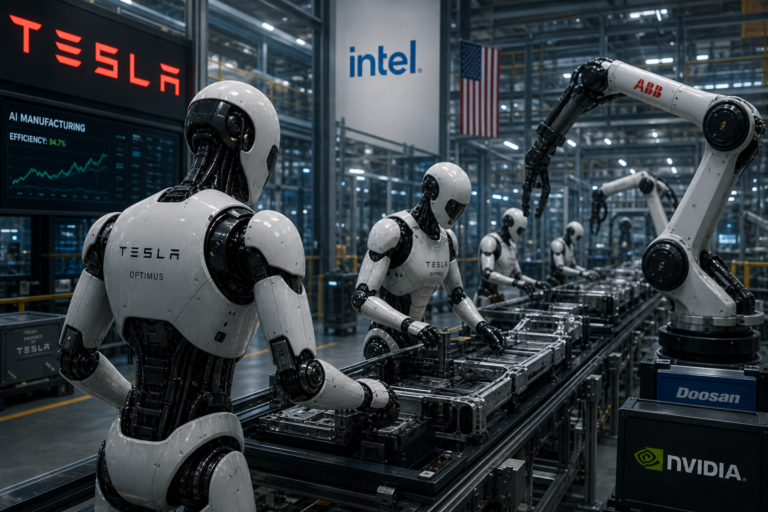
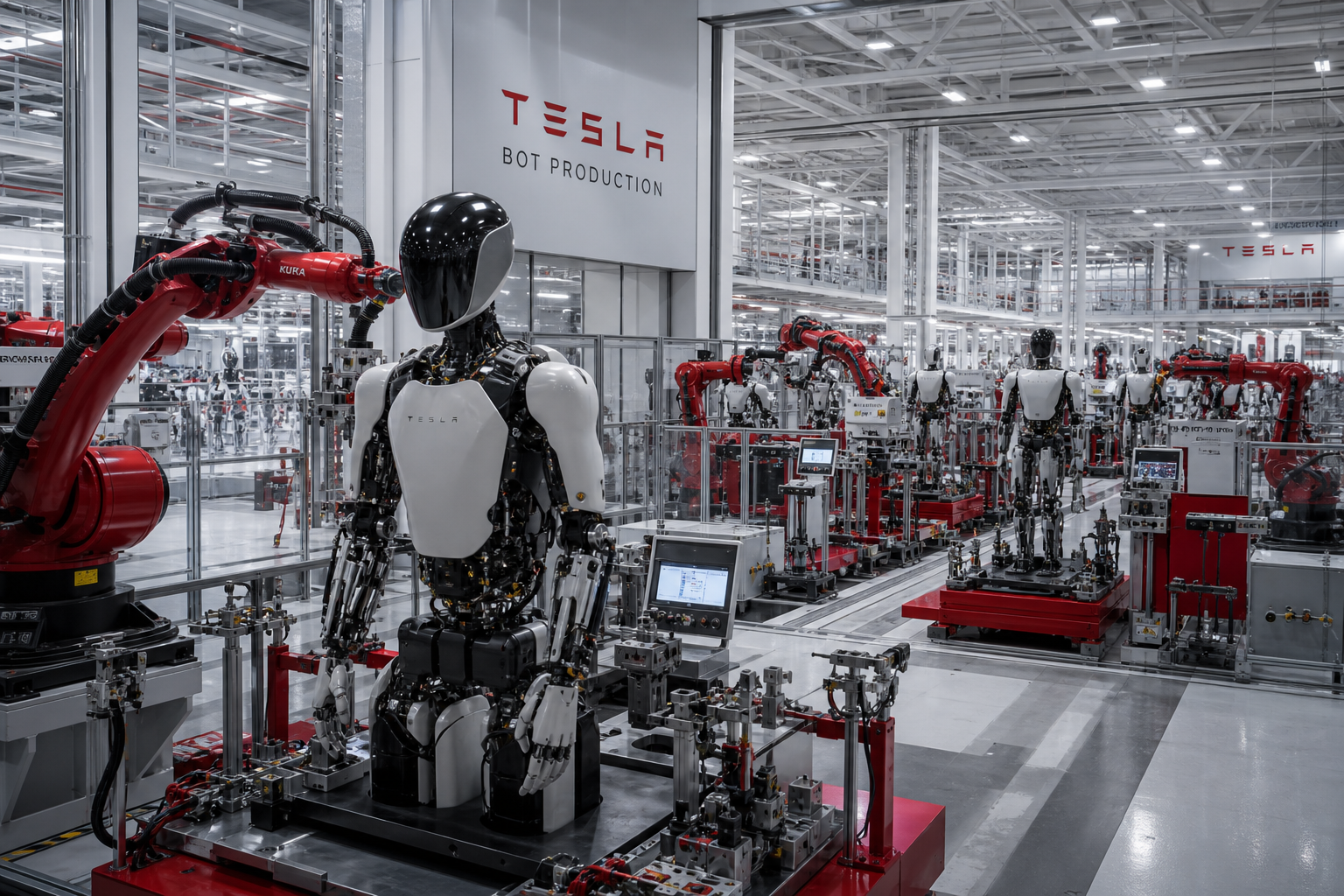
The big news came earlier this week when Tesla confirmed its timeline for launching Optimus V3. The humanoid robot is slated for a public debut in mid-2026, with production starting as early as July or August at the Fremont plant. This isn’t just a minor sideline project; Tesla plans to reconfigure its entire car production line to focus on robots, aiming for an annual output of up to 1 million units. However, as is often the case in manufacturing, the ramp-up won’t be instantaneous — supply chain complexities will ensure a slower start.
Here’s the thing: the Optimus V3 could revolutionize how we think about both personal and commercial robotics. By weaving AI into physical forms at such scale, Tesla isn’t just making robots; it’s crafting potential new-era coworkers and lifestyle companions. Engineers and manufacturers worldwide will have to reconsider their approaches as Tesla integrates its bleeding-edge AI with practical robotics.
Technically speaking, the Fremont facility’s transformation is a daunting endeavor, involving halting current production lines to install state-of-the-art systems tailored for robotics assembly. With goals of producing up to 1 million robots annually, though, 2026’s outputs will be modest, stunted by supply chain hurdles and the intricate logistics of robotics manufacturing.
Naturally, not everyone’s cheering. Critics question the feasibility of adapting automotive assembly techniques to robotics. Can Tesla really manage such a monumental shift? Echoing these sentiments, some speculate that Musk’s timeline might be optimistic. Yet, supporters see this as a bold step aligning perfectly with Tesla’s innovative ethos — a signal that Musk isn’t content to just lead the electric vehicle market but is positioning Tesla at the forefront of humanoid robotics.
Against competitors, Tesla’s endeavor is ambitious. While companies like Boston Dynamics excel in advanced robotics, Tesla’s focus on commercial-scale production — coupled with its robust AI ecosystem — might set it apart in affordability and application diversity. It’s a move that could unseat existing industry leaders, placing Tesla as a pivotal figure in global automation.
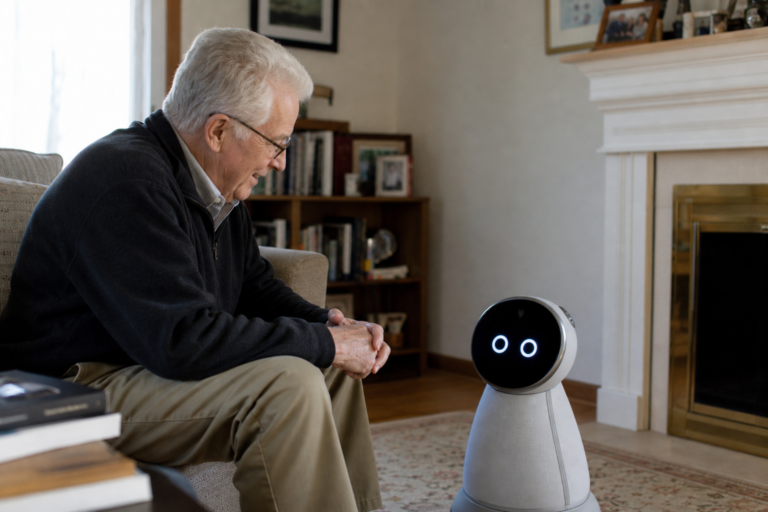
Here’s my take: if Tesla pulls this off, Optimus could redefine industries from logistics to caregiving, and the consumer market for robots might finally achieve its long-awaited boom. This isn’t just about beating rivals; it’s about a paradigm shift towards intelligent, autonomous robots integrating seamlessly with human workspaces and homes. Tesla’s bold venture reflects Musk’s relentless drive to innovate, and the world will be watching closely as Optimus takes shape.
About the Author