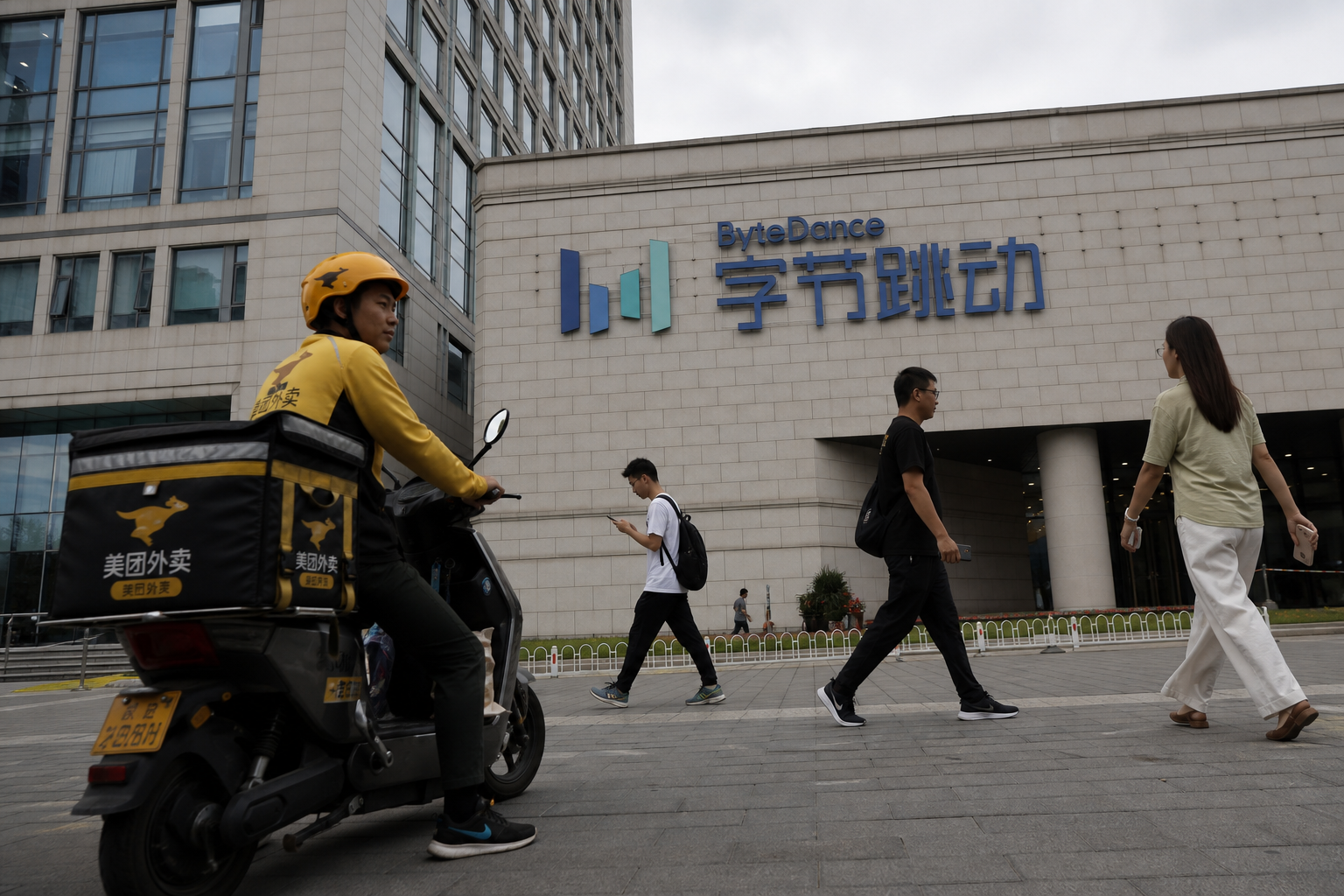
ByteDance’s Seedance 1.0 has turned into one of the clearest signs that AI video generation is no longer a two-company race. The model family has drawn attention because independent rankings have placed it near the top of text-to-video and image-to-video tests, in some cases ahead of higher-profile systems from Google, Runway, and Kuaishou. That’s a sharp shift for a market that spent much of the past year treating OpenAI’s Sora as the default reference point.
The timing matters because creators now judge AI video tools by usable output, not demo reels.
ByteDance developed Seedance through its Seed research group, the same broader AI effort behind several of the company’s generative models. The system targets short-form video creation, a natural fit for a company that owns TikTok and Douyin and already understands the economics of fast visual production. Seedance 1.0 has appeared in Pro and Lite versions, with support for text-to-video and image-to-video workflows, giving users a way to start from either a written prompt or a still image.
The feature that has attracted the most notice isn’t just image quality. Seedance focuses on coherent movement across short clips, camera motion, subject consistency, and multi-shot storytelling inside a single generation. In practical terms, that means a prompt can describe a scene that changes angle or action without collapsing into unrelated frames. But ByteDance hasn’t framed the system only as a research showcase — it has tied the model to commercial distribution channels, including its cloud and AI product stack in China.
For developers, marketers, and small production teams, that changes the buying decision. They don’t need the most famous model; they need the one that produces a controllable five-to-ten-second clip at a usable price, with predictable access and editing options. If Seedance keeps its quality while ByteDance expands availability, it could give app builders a serious alternative to the current mix of closed previews, waitlists, and expensive creator subscriptions. And for TikTok-style production, speed matters as much as cinematic polish.
Here’s the thing: AI video benchmarks still lag behind real creative work, but Seedance’s technical profile matches what users keep asking for. The model family reportedly supports high-resolution short clips, smooth motion, prompt adherence, and image-to-video generation from a reference frame. Its strongest demos center on realistic camera movement, stylized character animation, product shots, and scenes where a subject keeps its identity across changing poses. The catch? Video models still struggle with fine-grained physics, precise hands, readable text, and long sequences that require strict continuity across many shots.
Reactions from the creator and AI research communities have been unusually practical. Instead of treating Seedance as another glossy lab reveal, many users have compared it directly with Kling, Runway, Veo, Luma, and Pika on the kinds of clips people actually publish: fashion shots, food close-ups, anime-style action, product ads, and short narrative inserts. Still, access remains the pressure point. A model can rank well, but creators won’t switch workflows until they can get stable availability, clear commercial terms, and enough control to revise a shot without starting from zero.
Can ByteDance turn a strong model into the default engine for short-form AI video?
The competitive field has tightened fast. OpenAI set the industry’s expectations with Sora’s long, coherent video samples, while Google has pushed Veo as part of a broader creative AI push and Runway has kept building tools that video teams can actually use. Kuaishou’s Kling has built a strong following, especially for realistic human motion, and Luma’s Dream Machine and Pika remain popular among creators who want quick image-to-video results. Seedance enters that fight with a different advantage: ByteDance already sits at the center of global short-form video culture, even if regulatory and platform barriers complicate how far it can connect model output to TikTok and Douyin workflows.
Seedance’s rise points to the next phase of AI video: distribution will matter as much as model quality. The winner won’t simply generate the prettiest clip in a benchmark; it’ll give creators repeatable control, fast rendering, fair pricing, and a direct path into the apps where video already moves. ByteDance has the product instincts and audience data to make that happen, and Seedance now gives it a credible engine for the job.
About the Author