NIST has moved AI security from policy talk into a downloadable test environment. The U.S. standards agency released Dioptra, an open-source platform built to measure how attacks change machine-learning model performance. That matters because companies keep putting AI into production while many still test model safety with checklists, red-team notes, and vendor claims.
That makes model testing a security budget item, not a research side quest.
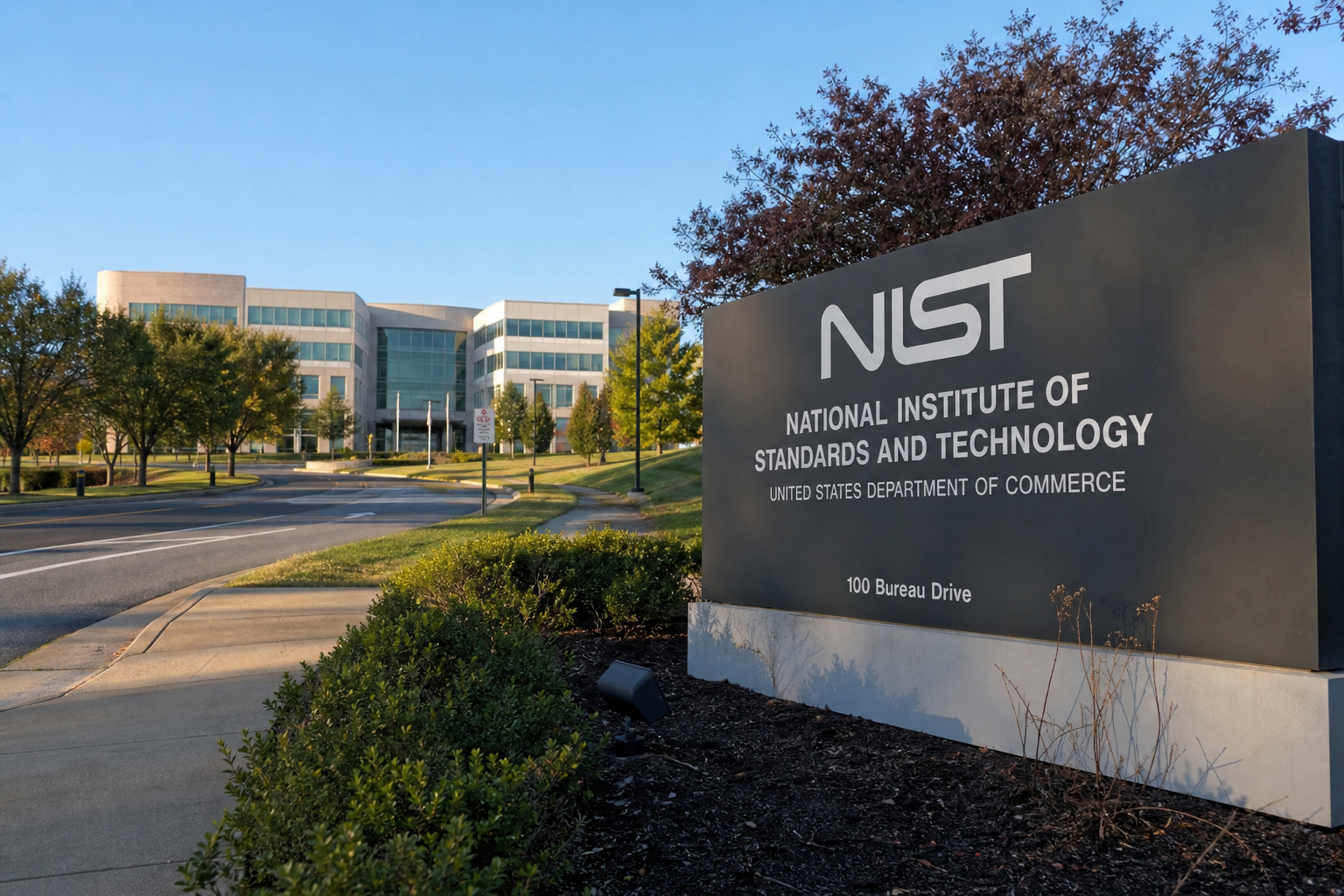
The National Institute of Standards and Technology introduced Dioptra as a tool for developers, security teams, and buyers who need a clearer way to evaluate AI systems under hostile conditions. The software focuses on adversarial machine learning, a category of attacks where small changes to data, inputs, or model behavior can cause a system to make bad predictions. NIST didn’t present Dioptra as a full shield against AI abuse. Instead, it framed the tool as a repeatable way to see how much damage an attack can do before an organization trusts a model in the field.
Dioptra arrived alongside NIST’s wider work on AI risk management, including guidance for generative AI and earlier work on adversarial machine-learning taxonomy. The timing fits the market’s shift from AI pilots to live deployments in finance, health care, defense contracting, software development, and customer support. But security teams can’t audit an AI model the same way they audit a conventional application. A model can pass a normal functional test and still fail when an attacker poisons training data, tweaks an input, or probes for behavior the original developer didn’t expect.
For companies, Dioptra gives AI procurement teams a more concrete question to ask vendors: how does the model behave under attack? If a model can fail after a few altered inputs, why would any security team trust a demo alone? The tool also gives internal developers a way to compare models, datasets, and defenses under controlled experiments. Here’s the thing: AI risk doesn’t sit only in the model file. It runs through training data, labeling practices, prompts, update cycles, third-party APIs, and the business process that decides what an AI output can trigger.
Technically, Dioptra works as a test platform for running repeatable experiments against machine-learning models. NIST describes it as open-source software that helps users determine which attacks can reduce a model’s effectiveness and by how much. Teams can run baseline tests, apply attack scenarios, and compare results across different model configurations or datasets. Its early focus fits classic adversarial ML problems, including attacks that manipulate inputs or training conditions, rather than only chatbot jailbreaks. That distinction matters because many AI security headlines focus on prompt injection, while computer vision, classification, fraud detection, and other ML systems still face older attack classes that haven’t gone away.
NIST’s message lands well with security engineers who want measurable tests instead of broad AI safety slogans. The agency has avoided hype here; it doesn’t claim Dioptra can certify a model as safe, and it doesn’t pretend one benchmark can cover every use case. Still, some critics will see the hard part immediately. Test tools can expose weaknesses, but they don’t replace domain expertise, fresh threat intelligence, or pressure testing against the exact environment where a model will run. That said, a common test bench still gives teams a shared language when legal, procurement, engineering, and security staff argue over acceptable AI risk.
Dioptra also enters a crowded but fragmented AI security toolkit market. Microsoft has PyRIT for red-teaming generative AI systems, IBM has the Adversarial Robustness Toolbox for testing and defending machine-learning models, MITRE maintains ATLAS as a knowledge base for adversarial tactics against AI, and OWASP has pushed practical risk categories for large language model applications. NIST’s advantage comes from its role as a neutral standards body. Vendors can build flashy dashboards, but a federal test platform can shape what buyers ask for in contracts. And once contract language changes, product roadmaps usually follow.
The bigger shift is simple: AI security is becoming evidence-driven. Model cards, safety statements, and launch blogs won’t satisfy regulated buyers for long, especially when AI tools touch credit decisions, medical workflows, identity checks, or government operations. Dioptra won’t solve the AI attack problem by itself, but it gives organizations a place to start measuring rather than guessing. Expect the next serious AI security fight to center on test results, not promises, because buyers will demand proof before they let models make decisions that attackers can bend.
About the Author